
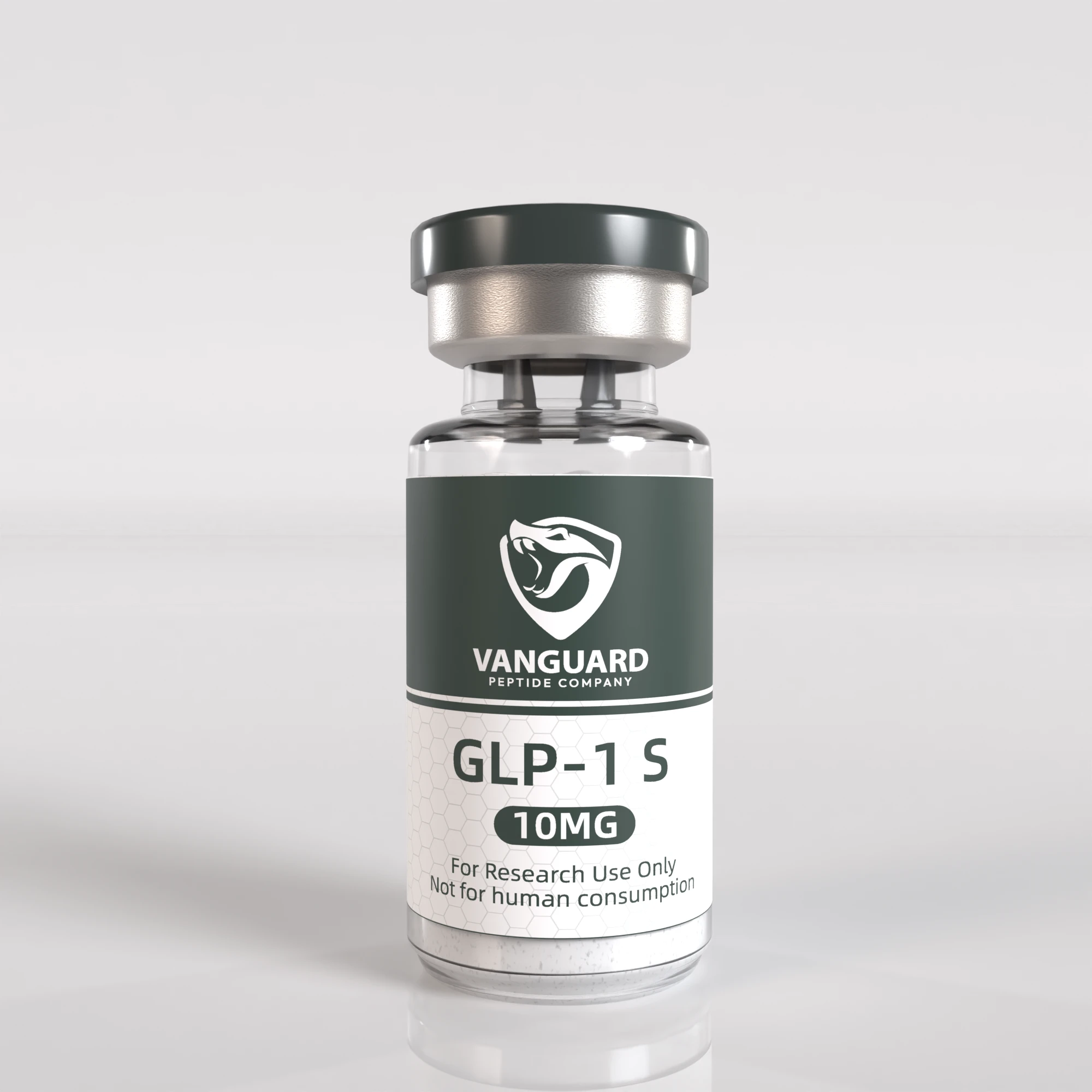
GLP-1 S
GLP-1 S is a synthetic peptide derivative designed for research applications in biochemical, pharmacological, and biological studies. This molecule belongs to the glucagon-like peptide-1 (GLP-1) receptor ligand family and is utilized to investigate signal transduction, receptor binding affinity, and potential mechanistic roles in GLP-1 signaling pathways. Due to its structural modifications, GLP-1 S may exhibit altered binding dynamics and activity compared to endogenous GLP-1, making it valuable for comparative studies in vitro.
Research Context
Glucagon-like peptide-1 (GLP-1) is a hormone produced in the intestines and secreted in response to food intake. It plays a critical role in glucose metabolism, appetite regulation, and gastrointestinal motility. GLP-1 agonists have gained clinical relevance for their therapeutic effects in diabetes management. Synthetic derivatives, such as GLP-1 S, are engineered to study receptor interactions, pharmacological profiles, and potential modifications for targeted research applications. This peptide variant may be used in studies examining receptor specificity, cross-reactivity with related peptide receptors, or novel biochemical interactions in cellular models.
Research Overview
GLP-1 S serves as a research tool to explore the biochemical properties of GLP-1 receptor ligands. Its structural modifications may enhance stability, alter binding affinity, or modulate receptor activation dynamics. Such studies are essential for advancing our understanding of endogenous GLP-1 signaling, receptor pharmacology, and potential applications in drug discovery. This peptide is typically utilized in experimental settings, including cell-based assays, receptor binding studies, and molecular docking analyses, to investigate mechanistic insights into GLP-1-mediated pathways.
Key Research Focus Areas
- Receptor Binding Affinity: Assessment of GLP-1 S’s ability to bind to GLP-1 receptors (GLP-1R) and potential cross-reactivity with related receptors (e.g., GLP-2, GLP-4).
- Signal Transduction: Evaluation of downstream signaling pathways activated by GLP-1 S, including effects on cAMP production, MAPK activation, or other secondary messengers in cellular models.
- Structural Modification Effects: Investigation of how amino acid substitutions or conformational changes in GLP-1 S influence receptor binding, stability, and activity compared to endogenous GLP-1.
- Comparative Pharmacology: Comparative analysis of GLP-1 S with other GLP-1 analogs (e.g., exendin-4, liraglutide) to assess differential binding, potency, or selectivity.
- Biochemical Stability: Examination of GLP-1 S’s degradation profile in vitro, including enzymatic resistance, protease susceptibility, and half-life in biological buffers.
For research use only. Not for human or animal consumption.
| Size | 10MG, 15MG, 20MG, 25MG |
|---|


Reviews
There are no reviews yet.