
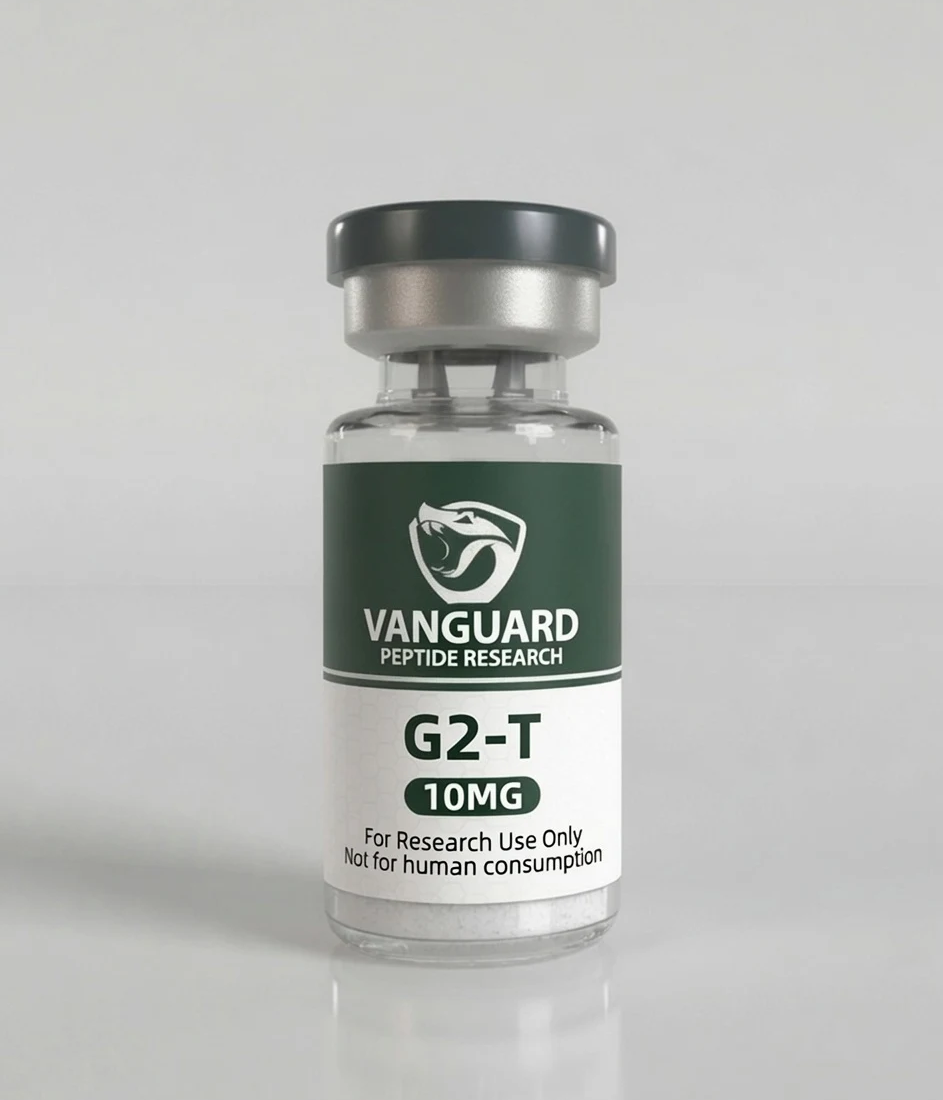
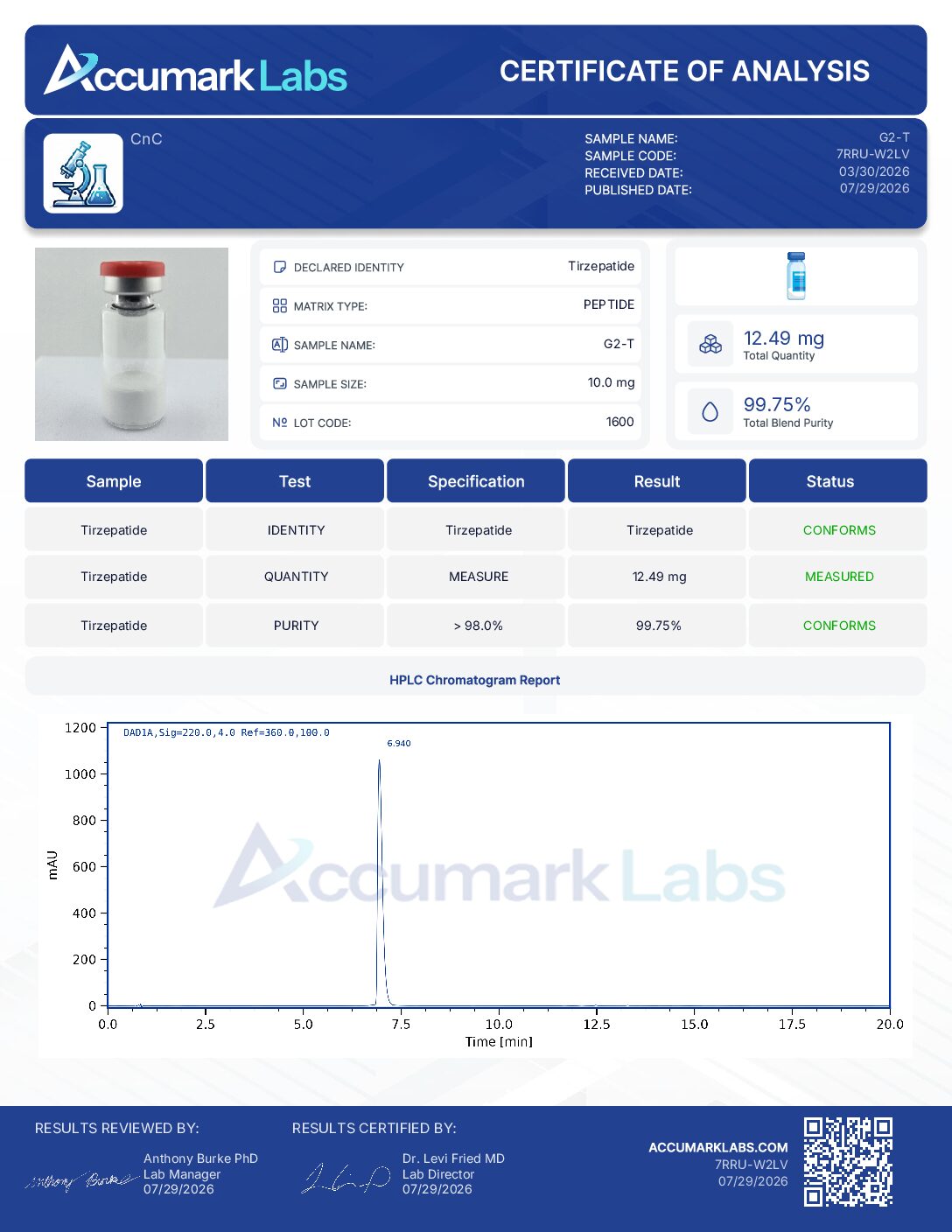
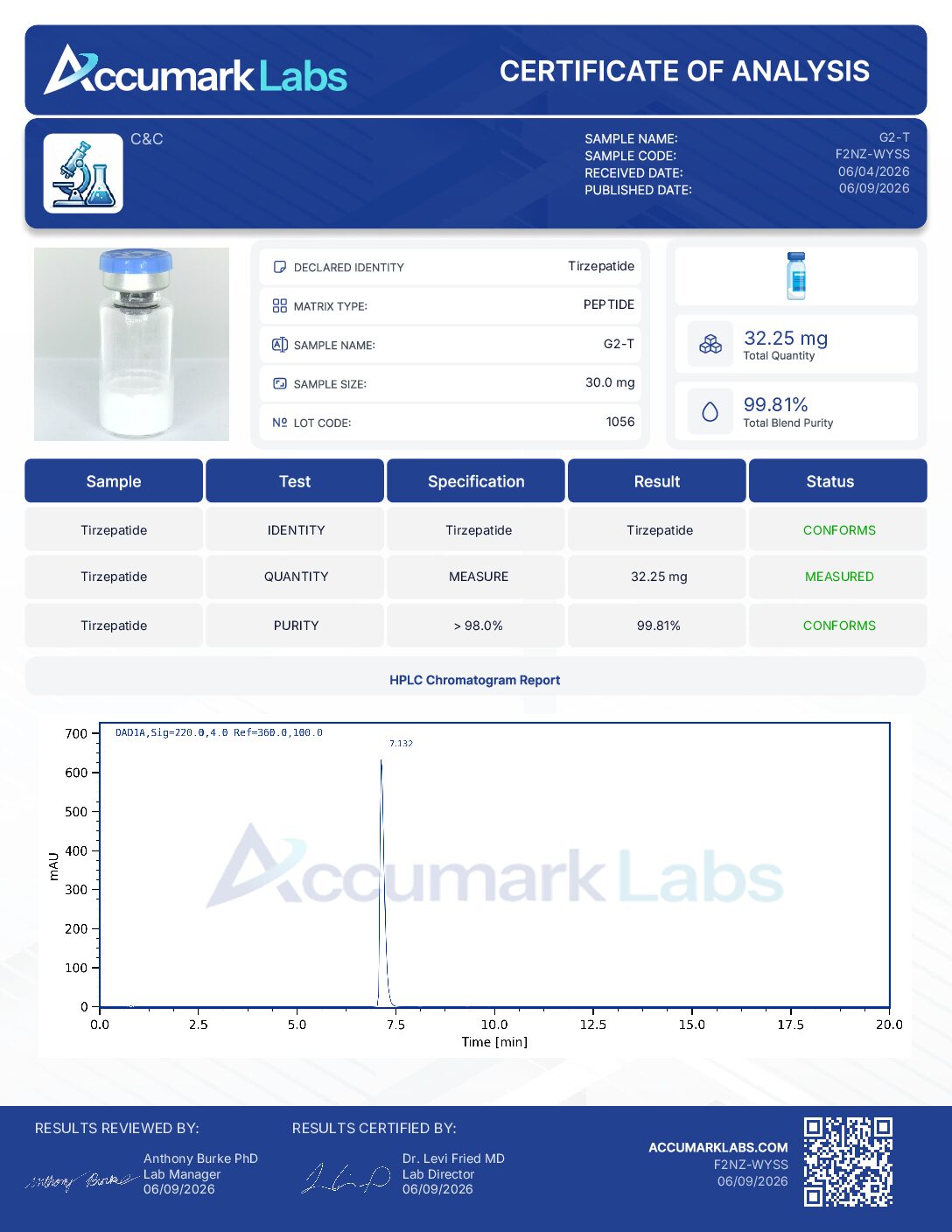
GLP-2 TZ
GLP-2 TZ is a research-use-only peptide variant designed for academic and institutional investigation. This amino acid sequence represents a modified derivative of glucagon-like peptide-2 (GLP-2), a naturally occurring hormone primarily studied in the context of gastrointestinal physiology and regenerative medicine within research environments.
Research Context
GLP-2 is well-known for its role in promoting intestinal growth, mucosal regeneration, and gut motility. Its therapeutic potential has been explored in preclinical studies for conditions such as gastrointestinal disorders, intestinal failure, and inflammatory bowel disease. However, research into its pharmacological modifications, including GLP-2 TZ, focuses on structural variations that may enhance specificity or stability for targeted applications.
Research Overview
GLP-2 TZ is typically synthesized as a research tool to examine how specific amino acid substitutions impact binding affinity, metabolic clearance, and biological activity within in vitro and in vivo models. Academic studies often use this peptide to investigate mechanisms of gut homeostasis, pharmacokinetics, or novel delivery methods in controlled experimental settings.
Key Research Focus Areas
- Gut Physiology: Evaluation of GLP-2 TZ’s effects on intestinal growth, epithelial repair, and barrier function compared to native GLP-2.
- Structural Modifications: Analysis of peptide stability, receptor binding, and metabolic processing through structural biochemistry and molecular modeling.
- In Vivo Toxicology: Safety profiling in animal models to assess systemic effects, potential immunogenicity, and dose-dependent outcomes.
- Delivery Systems: Investigation of formulation strategies (e.g., encapsulation, conjugation) to optimize peptide retention and bioavailability.
- Comparative Pharmacodynamics: Contrasting GLP-2 TZ with other GLP-2 analogs (e.g., GLP-2 variants, synthetic peptides) in preclinical studies.
Important Compliance and Safety Note
This peptide is intended solely for research purposes and is not authorized for human or animal consumption. Its use must comply with all applicable regulations governing experimental biochemistry, pharmacology, and biotechnology. Researchers are responsible for adhering to ethical guidelines, institutional policies, and local laws governing peptide synthesis and experimentation. Unauthorized distribution or use constitutes a violation of research ethics and legal standards.
For research use only. Not for human or animal consumption.
| Size | 10MG, 30MG, 60MG |
|---|




Reviews
There are no reviews yet.